Hidden Infrastructure, Visible Consequences: What Your Network Audit Isn't Seeing
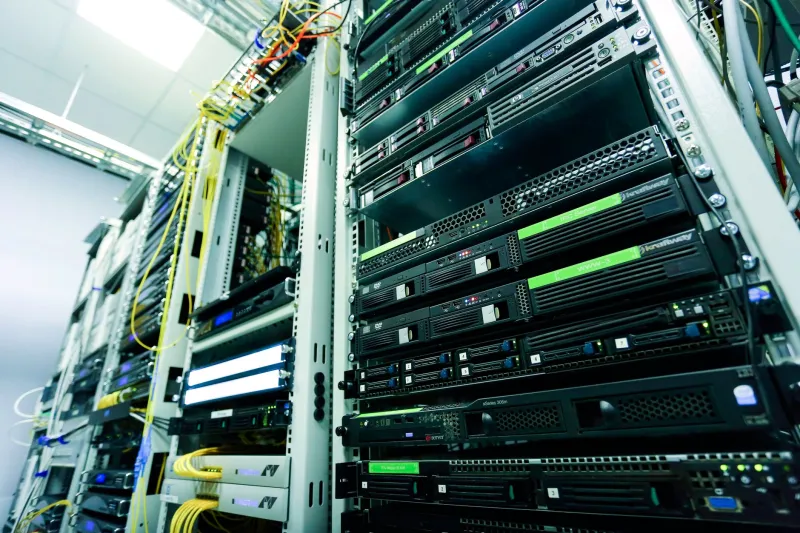
Every enterprise IT audit begins with an inventory. Assessors catalog switches, routers, firewalls, servers, and endpoints. They map traffic flows, document configurations, and cross-reference findings against compliance frameworks. It is a rigorous process—when it works. The problem is that it only works for the infrastructure your organization officially acknowledges.
The infrastructure your organization does not acknowledge is another matter entirely.
Shadow IT—the constellation of unauthorized hardware, unsanctioned software-as-a-service platforms, personal devices used for business purposes, and ad-hoc cloud environments provisioned without IT approval—has expanded dramatically across US enterprises over the past decade. Remote work accelerated the trend. Departmental autonomy fueled it further. And traditional network assessment methodologies, designed for a more controlled era, have largely failed to keep pace.
The result is a structural blind spot at the center of enterprise security programs: assessments that appear comprehensive but leave entire categories of risk completely undocumented.
Why Shadow IT Eludes Conventional Assessment Approaches
Conventional network audits operate from a foundational assumption: that the organization being assessed can provide an accurate, reasonably complete picture of its own infrastructure. Assessors request asset inventories, review network diagrams, and use discovery tools calibrated to the IP ranges and segments that IT has defined as in scope.
This approach works well for sanctioned infrastructure. It fails structurally for infrastructure that was never meant to be seen.
Consider a few common scenarios. A regional sales team, frustrated with IT's provisioning delays, spins up a shared cloud storage instance using a personal credit card. A facilities manager installs a consumer-grade wireless access point in a conference room because the corporate Wi-Fi signal is unreliable. A development team deploys a test environment in a public cloud account that never gets integrated into corporate identity management. None of these assets appear in the CMDB. None fall within the IP ranges the assessor is scanning. All of them represent live, accessible entry points into enterprise data and systems.
The assessment misses them not because the assessors are careless, but because the methodology assumes a completeness of documentation that shadow IT, by definition, destroys.
The Security and Compliance Stakes Are Not Theoretical
For enterprise security leaders, the risks associated with unaudited shadow infrastructure are significant and concrete. Unauthorized access points and unmanaged endpoints frequently run outdated firmware, lack endpoint detection capabilities, and operate outside the patch management cycle. They are, in effect, unguarded doors.
From a compliance perspective, the exposure is equally serious. Regulatory frameworks such as HIPAA, PCI DSS, and NIST-based standards require organizations to demonstrate control over the environments where regulated data resides. When sensitive customer records find their way into an unsanctioned cloud storage bucket—a scenario that occurs with troubling frequency—the organization faces potential breach notification obligations, audit findings, and enforcement actions tied to infrastructure it did not even know existed.
The irony is pointed: the assets most likely to cause a compliance failure are precisely the assets least likely to appear in a standard assessment report.
Surfacing What the Standard Scan Misses
Closing the shadow IT gap requires auditors to deliberately expand both the technical and organizational scope of their assessments. Several approaches, used in combination, have proven effective.
Passive traffic analysis across all observable segments. Rather than relying solely on active scanning of known IP ranges, comprehensive assessments should incorporate passive network traffic analysis that captures device behavior across all accessible segments. Devices that do not appear in any inventory will still generate traffic. DNS queries, DHCP requests, and lateral communication patterns can reveal the presence of assets that were never formally documented.
Wireless environment mapping beyond the corporate SSID. Unauthorized access points are among the most common and most dangerous forms of shadow hardware in enterprise environments. A thorough assessment should include a physical or near-physical survey of wireless signals present within the facility footprint, identifying any SSIDs or access points that do not appear in the sanctioned wireless infrastructure inventory.
Cloud service discovery through DNS and certificate transparency. Many unsanctioned SaaS and cloud deployments leave detectable traces in DNS records, SSL certificate registrations, and OAuth authorization logs. Assessors who incorporate these data sources into their methodology can frequently identify cloud environments that were provisioned outside of IT's visibility.
Structured interviews with department-level stakeholders. Technical discovery tools can identify unknown devices. They cannot explain why those devices exist or what data flows through them. Structured interviews with department heads, operations managers, and administrative staff often surface shadow IT that no scan would find—the shared Dropbox folder, the project management tool purchased on a departmental budget, the IoT device someone brought in to monitor room temperature. These conversations belong in the assessment methodology.
Expense and procurement record review. With appropriate access, reviewing corporate expense reports and procurement records for software subscriptions, cloud service charges, and hardware purchases that did not route through IT procurement can identify shadow infrastructure before it is even deployed on the network.
Documenting What You Find—and Why It Matters
Discovering shadow infrastructure is only half the work. How assessors document and communicate these findings shapes whether anything actually changes.
Findings related to unauthorized assets should be clearly distinguished from findings related to sanctioned infrastructure in the assessment report. This distinction matters for several reasons. It surfaces the governance failure—the process breakdown that allowed the shadow asset to exist—alongside the technical risk. It also creates a defensible record for compliance purposes, demonstrating that the organization identified and is actively managing the gap.
Recommendations tied to shadow IT findings should address both the immediate technical remediation and the organizational conditions that produced the unauthorized infrastructure in the first place. If a department deployed its own cloud environment because IT's provisioning process takes six weeks, remediating the unauthorized environment without addressing the provisioning bottleneck will simply produce the same outcome six months later.
Building Assessments That Account for the Full Environment
The persistence of shadow IT is not a temporary problem. As enterprise technology environments grow more distributed, as SaaS adoption continues to accelerate, and as the line between personal and professional technology use remains blurred, the gap between documented infrastructure and actual infrastructure will only widen.
For enterprises that depend on network assessments to understand and manage their security posture, this reality demands a deliberate response. Assessments designed around the assumption of a complete, accurate asset inventory will continue to produce findings that are technically accurate but organizationally incomplete.
The organizations that close this gap are those that commission assessments built to find what is not supposed to be there—not merely to validate what is. That distinction, between an audit that confirms the known and an assessment that surfaces the unknown, is increasingly where the real security value lives.